
Ubisoft анонсировала собственную NFT-платформу Quartz. На ней будут продаваться уникальные косметические предметы для AAA-тайтлов компании. Несмотря на амбициозные планы Ubisoft, ролик с анонсом получил свыше 96% дизлайков. Игроки в том числе не понимают, зачем использовать блокчейн для продажи «косметики», ведь для этого есть куда более надежные и проверенные временем технологии.
Gaming companies are always looking for new ways to engage with gamers and energize their players. Ubisoft has decided to do this by venturing into the world of NFTs. Although for many, NFTs are strange pieces of digital art that people spend an inexplicable amount of money on, strong communities have formed around them.
Ubisoft’s NFT project, termed Ubisoft Quartz, turns in-game cosmetics into collectible NFTs, allowing players to have truly unique assets to show off with. However, Ubisoft’s announcement of their NFT support has not been universally well-received. While some see Ubisoft Quartz as an innovative way for gamers to own their in-game assets, others see it as another means for gaming companies to exploit gamers.
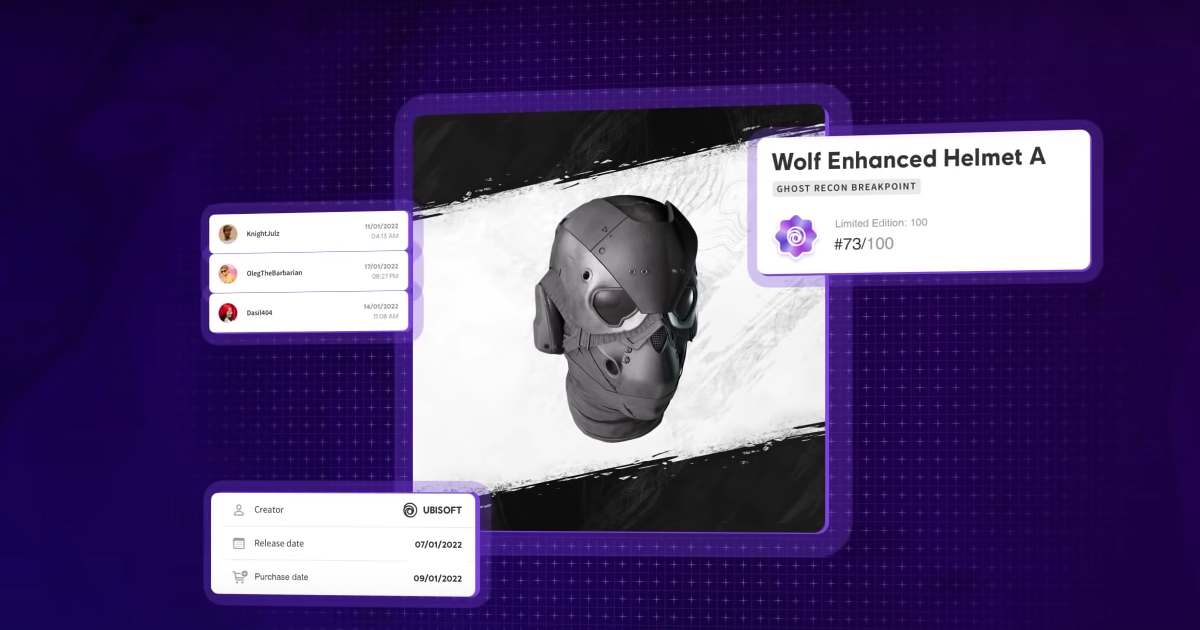
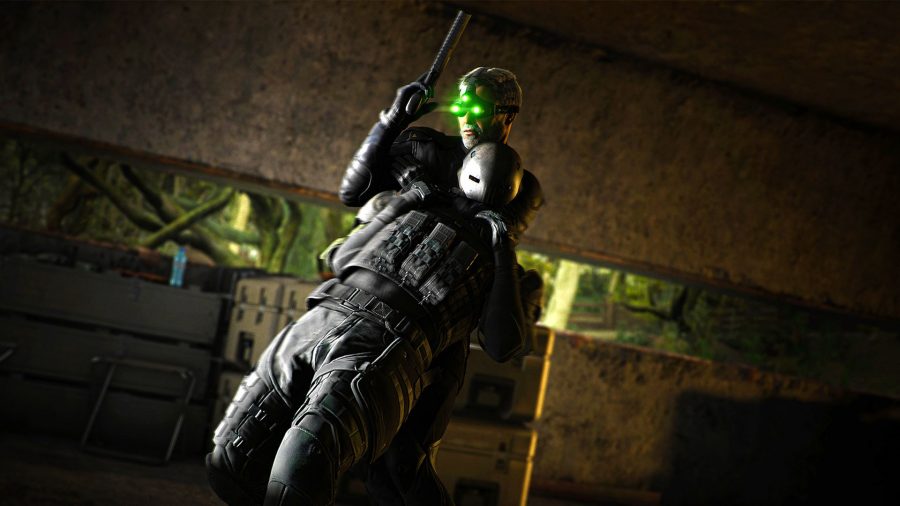
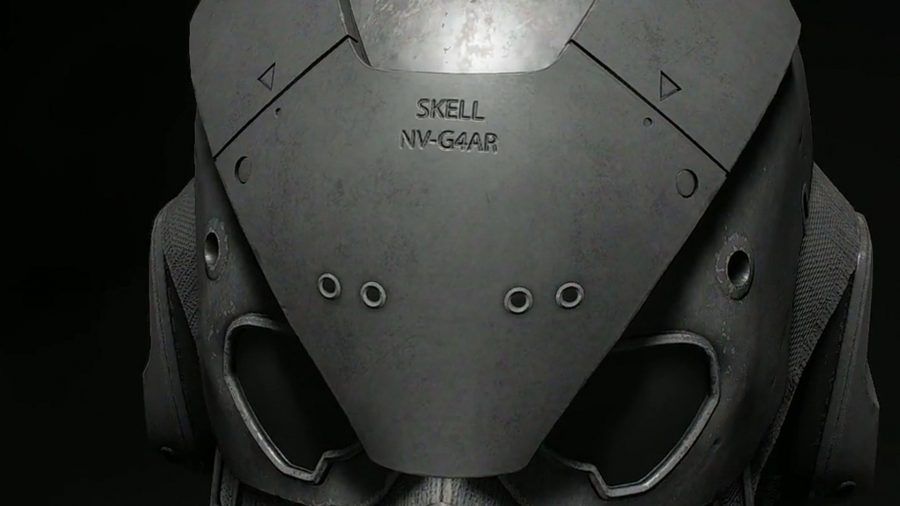
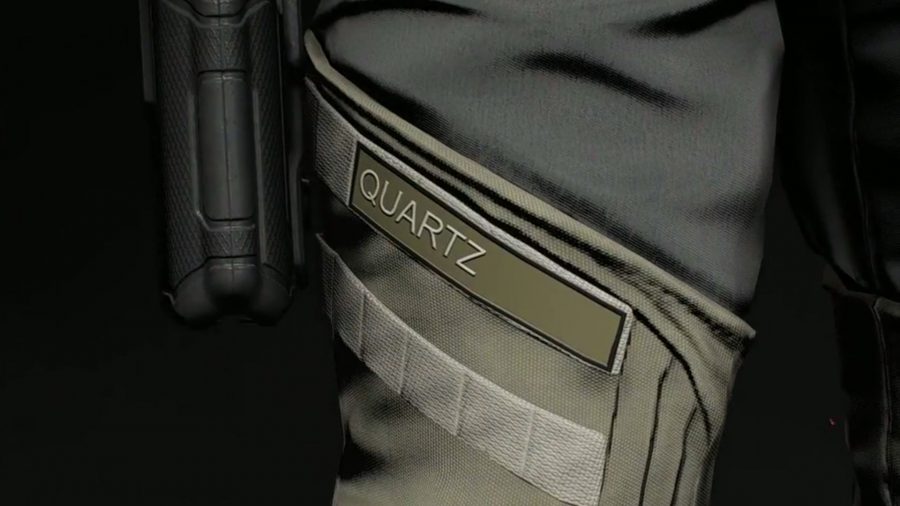
In late 2021, Ubisoft launched an NFT project called Ubisoft Quartz. The initiative aims to weave NFTs into games by turning in-game cosmetics into collectible NFTs. The first game to get the Ubisoft Quartz treatment was Tom Clancy’s Ghost Recon Breakpoint on PC. Although there are NFTs up for grabs that are good-looking, there are some steep requirements to gain them. For instance, the Wolf Enhanced Helmet A can only be claimed by players with 600 hours or more of global playtime, and Wolf Enhanced Pants can only be acquired by completing 100 hours or more of playtime.
With many people already feeling negative about NFTs in general, their inclusion in the video gaming realm was not well received. Despite Ubisoft‘s attempts to make Ubisoft Quartz gain mainstream acceptance, player interaction with the project has been low. While this may be a disappointment for Ubisoft, some gamers are celebrating, as it may have prevented destructive trends from worming their way into gaming.

Ubisoft приняла решение скрыть ролик с анонсом Quartz — всё из-за негативной реакции пользователей.
Напомним, что Quartz — это платформа для торговли внутриигровым контентом под видом NFT-токенов. Сообщается, что видео собрало более 95% дизлайков. Теперь его можно посмотреть только по прямой ссылке.
Ubisoft планировала ввести первые токены в Tom Clancy’s Ghost Recon Breakpoint. По словам представителей компании, это будет «косметика», не влияющая на игровой процесс.
Бета-тест Quartz должен состояться завтра в США, Канаде, Испании, Франции, Германии, Италии, Бельгии, Австралии и Бразилии.
Больше на Игромании
Хотите скрыть партнерские блоки? и читайте материалы не отвлекаясь.
Некоторое время назад Ubisoft анонсировала Quartz, платформу для продажи невзаимозаменяемых токенов в виде косметических игровых предметов. Как мы помним, ролик с анонсом компании пришлось скрыть из-за цунами отрицательных реакций.
Как стало известно, глава Ubisoft Ив Гиймо провёл беседу с сотрудниками компании, в ходе которой разъяснил свои взгляды на блокчейновые перспективы. На его взгляд, NFT-токены — явление той же категории, что и микротранзакции, DLC или лутбоксы. Их анонсы игроки встречают негодованием, но со временем привыкают и начинают раскошеливаться.
Судя по всему, компания не собирается отказываться от своих планов. Впрочем, никаких подробностей развития блокчейновых аспектов игр глава Ubisoft пока что не рассказал, делая упор на концепцию метавселенной и «Web 3.0».
Напомним, что GSC Game World не так давно заявила о NFT-контенте в S.T.A.L.K.E.R. 2: Heart of Chernobyl. Но игроки встретили новость таким возмущением, что разработчикам пришлось немедленно пойти на попятный.
Что такое Ubisoft Quartz?
Сама компания описывает Quartz как платформу, которая добавит «играбельные и энергоэффективные NFT» в AAA-игры. Косметические предметы, продающиеся в виде токенов, будут называться Digits
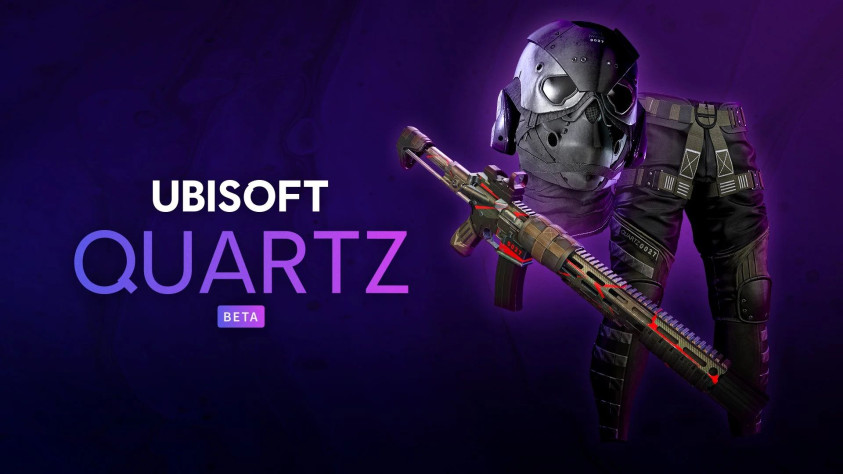
Первой игрой Ubisoft, которую подключат к Quartz, станет Tom Clancy’s Ghost Recon Breakpoint. Игроки смогут покупать уникальную «косметику», включая оружие, экипировку и транспортные средства. У каждого предмета будет свой серийный номер, который пользователи смогут увидеть во время игры. Игроки также получат сертификаты о владении Digits и смогут продавать их на сторонних площадках.
«Со временем мы пришли к пониманию того, как децентрализованный подход в блокчейне сможет сделать игроков настоящими держателями активов в наших играх. Потраченное время, купленные предметы или созданный ими контент теперь вновь обретет ценность и вернется в их руки» вице-президент лаборатории инноваций Ubisoft Николя Пуар
Ubisoft планирует запустить бета-версию платформы Quartz 9 декабря в США, Канаде, Испании, Франции, Германии, Италии, Бельгии, Бразилии и Австралии.
Ubisoft анонсировала Quartz — платформу для торговли внутриигровым контентом под видом NFT-токенов, получивших название Digits.
По словам представителей компании, последние будут представлять собой исключительно «косметику», не влияющую на игровой процесс. И первыми токены появятся в Tom Clancy’s Ghost Recon Breakpoint.
Также отмечается, что заработать их в самой игре не получится — только приобрести на платформе, причём сделать это смогут лишь геймеры, достигшие совершеннолетия. Для того чтобы привлечь пользователей, Ubisoft подарит «первопроходцам» бесплатные токены 9, 12 и 15 декабря.
Бета-тест Quartz состоится завтра в США, Канаде, Испании, Франции, Германии, Италии, Бельгии, Австралии и Бразилии.
Пользователи, впрочем, анонс совсем не оценили, что неудивительно, учитывая противоречивое отношение к NFT в целом. В итоге ролик с представлением Ubisoft Quartz собрал 12 тысяч дизлайков и всего 706 лайков.
https://youtube.com/watch?v=eSVoJ0WUQfY%3Frel%3D0%26controls%3D1%26showinfo%3D0
Больше на Игромании

NFT-предметы Ubisoft покупают неохотно. Как заметила художник по персонажам Apex Legends Лиз Эдвардс, на двух площадках, с которыми работает платформа Ubisoft Quartz, пока продано только 15 токенов Ghost Recon Breakpoint.
Девять предметов приобрели пользователи Rarible, еще шесть продано на площадке objkt, причем на последней за прошедшие сутки у Ubisoft не было ни одной продажи. Всего на сегодня компания выручила на своих невзаимозаменяемых токенах $396.
В начале декабря Ubisoft объявила о разработке платформы Quartz, с помощью которой разработчик будет продавать NFT, которым соответствуют внутриигровые предметы. Первой игрой с новой функцией стала Ghost Recon Breakpoint.
В ветке обсуждения комментаторы твита подсчитали, что, если учесть, что размещение каждого токена обошлось Ubisoft в $0,325 доллара, то 2256 NFT стоили компании $733,20. 15 токенов принесли компании меньше $400 — эта сумма пока не окупает даже комиссию за их размещение.
Несмотря на прохладный прием инициативы с NFT (а ролик на YouTube с анонсом функции набрал десятки тысяч дизлайков, прежде чем видеохостинг перестал их показывать), глава Ubisoft Ив Гиймо не намерен отказываться от планов по внедрению невзаимозаменяемых токенов в игры. На недавней конференции с сотрудниками, которая прошла в Париже, он заявил, что был готов к недовольству фанатов. Он напомнил, что игроки так же реагировали на введение лутбоксов и микротранзакций, однако потом привыкли и к ним.
Data from the Ubisoft Quartz non-fungible token (NFT) stores appears to indicate that only 15 Ghost Recon Breakpoint virtual items have been sold.
Edwards also notes that there appears to be around 2256 NFTs created for Ubisoft Quartz, which means that less than one per cent of the NFTs have been purchased since the service launched.
According to its own website, Tezos is an open-source platform for assets that uses Tezos tokens. Going off the coinmarketcap value of Tezos at $3.98 USD (as of publication) would mean that the sum of all trades taking place of the 94.49 Tezos in Ubisoft Quartz is $376.07, or £284.02.
В сети сразу же массово раскритиковали инициативу компании.
- 7 декабря компания объявила о запуске бета-версии сервиса Ubisoft Quartz, на котором будут продаваться косметические внутриигровые предметы в формате NFT (невзаимозаменяемых токенов). В компании подчеркнули изданию GamesIndustry.biz, что эти предметы никак не будут влиять на игровой процесс.
- NFT получили название Digits. Первые токены появятся в игре Tom Clancy’s Ghost Recon Breakpoint. В компании продемонстрировали некоторые из них в ролике.
- Ubisoft будет выпускать Digits ограниченными сериями. Каждый предмет получит уникальный серийный номер, который будут видеть другие игроки. Владельцы NFT смогут продать свои токены на площадке Ubisoft Quartz и купить другие. Компания не будет брать комиссию за транзакции на своей платформе.
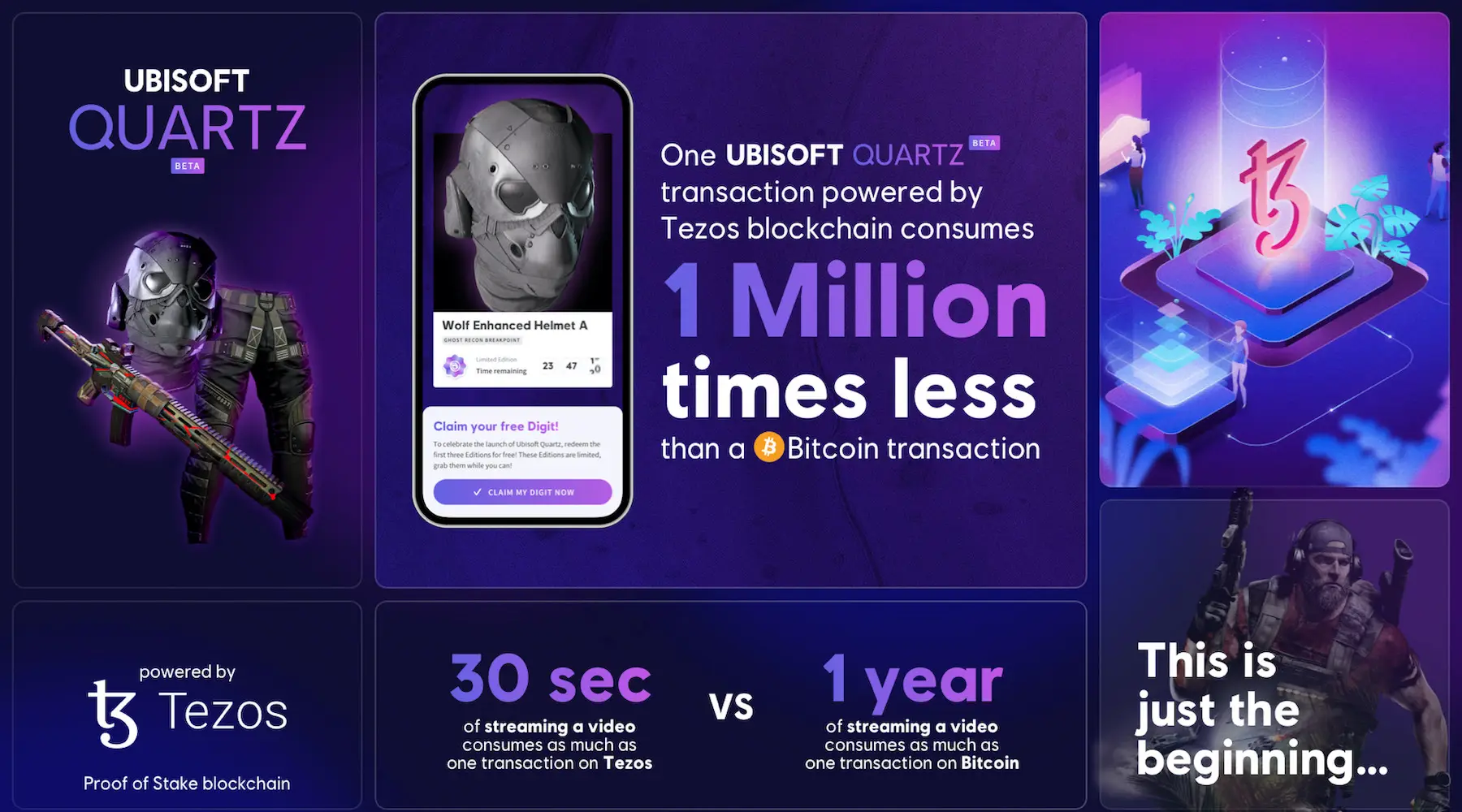
- В Ubisoft утверждают, что Quartz — «энергоэффективная площадка» на блокчейн-платформе Tezos. Она использует «гораздо меньше» энергии по сравнению с платформами на технологии Proof-of-Work, такими как Bitcoin или Ethereum.
- Бета-версия сервиса станет доступна в США, Канаде, Испании, Франции, Германии, Италии, Бельгии, Австралии и Бразилии. Когда Ubisoft Quartz запустят в России и других странах, неизвестно. В компании подчеркнули, что Quartz — это эксперимент, который будет развиваться в том числе на основе отзывов игроков.
- В ходе бета-тестирования игроки получат первые Digits бесплатно — это случится до конца декабря. По какой цене компания планирует продавать NFT в будущем, неизвестно.
- Всего за несколько минут после анонса, трейлер Quartz набрал на YouTube 420 дизлайков при 27 лайках.
- К платформе Ubisoft неоднозначно отнеслись как пользователи сети, так и некоторые разработчики и представители индустрии.
Ubisoft’s NFT rollout, officially called Quartz, begins with hats in Ghost Recon Breakpoint.
Literally nothing about Ubisoft Quartz requires it to be NFTs.
Literally fucking nothing.
Только представьте, если бы Ubisoft так усердно думала, как создать хорошие игры, а не бесконечно пыталась выкачать из нас деньги.
Самое нелепое во всём этом, что эти Digits не нуждаются в NFT. В Team Fortress 2 уже давно есть уникальные идентификаторы предметов, история владельцев и торговля предметами.
Как же им повезло, что мы больше не можем видеть количество дизлайков.
22 декабря 2021
22.12.21
27
4127
В начале декабря Ubisoft заскочила на криптовалютный хайптрейн: компания представила Quartz, собственную платформу для цифровых товаров с NFT. Пользователям это очень не понравилось, однако Ubisoft ничего не смущает: представители издательства подтвердили, что намерены развивать NFT-бизнес и дальше.
Технический руководитель по блокчейну в Ubisoft Дидье Женевуа (Didier Genevois) поговорил с изданием Decrypt:
Мы получили много отзывов с момента анонса и услышали как одобрение, так и настороженность. Мы понимаем, откуда берётся такое отношение к технологии блокчейна, и нам нужно это учитывать на каждой ступеньке нашего пути.
Этот эксперимент должен был показать, как игроки воспринимают ценность децентрализации. Мы знаем, что это крупное изменение, но останемся верным нашим трём принципам.
По словам Женевуа, принципы относительно блокчейна в Ubisoft следующие:
Использовать технологию ответственно и создавать безопасное окружение для игроков, которые только разбираются с тем, как работает NFT.
Применять только энергоэффективные блокчейны с доказательством доли владения (proof-of-stake).
Сосредотачиваться на ценных предложениях, которые улучшают впечатления от игр.
Как пишет Decrypt, Ubisoft занимается исследованиями в области криптоиндустрии как минимум с 2018-го — в том году она собрала и продемонстрировала на внутренних презентациях прототип под названием HashCraft. С тех пор компания потихоньку выпускала NFT и опубликовала маленькую криптоигру OneShot League, а также инвестировала деньги в несколько стартапов, связанных с криптовалютой.
Кроме того, в материале Decrypt формально анонсировали сотрудничество Ubisoft и облачной децентрализованной сети Aleph.im. На платформе Aleph.im собираются хранить и обновлять метаданные об NFT от Ubisoft.
Сообщество критикует погоню за криптотехнологиями по нескольким причинам:
У криптовалют мутные перспективы, а правила работы с ними не устоялись. Из-за этого в криптоиндустрии сейчас много мошенников.
Поддержание блокчейнов требует больше электроэнергии, что больно бьёт по окружающей среде. В ответ Ubisoft уверяет, что в Quartz применяется более экологичный тип блокчейна.
Зачем вообще это нужно? Ну, не считая очевидного «заработать неприлично много денег». Для геймеров польза от NFT в играх неясна, а торговая площадка, где можно обмениваться цифровыми предметами, существует в Steam уже много лет без внедрения новомодного блокчейна.
В итоге старт платформы Ubisoft Quartz проходит с громким скрежетом:
Ролик о первых NFT в Ghost Recon: Breakpoint собрал 95 % дизлайков.
По некоторым данным, за первую неделю общий объём торгов NFT из Quartz составил смехотворно низкие $397.
СМИ пишут, что даже сами сотрудники Ubisoft не понимают, зачем компания гонится за NFT и какую такую пользу для аудитории это должно приносить.
Поддержи Стопгейм!
218
Ubisoft стала одной из первых крупных компаний в игровой индустрии, которая плотно взялась за развитие своей NFT-площадки Quartz. Судя по новому интервью, французский гигант уверен в полезности технологий, а геймеры «пока этого не понимают». Также организация прокомментировала отказ авторов S.T.A.L.K.E.R. 2 от NFT после массовой критики.
В беседе с порталом Finder руководители Ubisoft взялись защищать планы компании по внедрению NFT в свои игры. Негативная реакция пользователей на NFT не стала сюрпризом. «Мы осознаём, что этот концепт тяжело понять. Но Quartz — лишь первый шаг, который приведёт к чему-то масштабному», — пояснил Николя Пуар (Nicolas Pouard), вице-президент лаборатории стратегических инноваций Ubisoft. Именно поэтому в Quartz сначала появились скины и прочая «косметика» — всё это более понятно для игроков.
Ubisoft продолжит выстраивать сервисы и функции вокруг NFT-площадки. Руководитель надеется, что постепенно геймеры поймут, какую ценность несёт в себе технология для них самих. Пока сотрудникам остаётся лишь мириться с критикой, так как это «часть процесса». При этом негатив со стороны сообщества интерпретируется компанией, как попытка защитить игры в целом.
Пуар попытался объяснить, почему NFT-технологии не нравятся пользователям. По его мнению, пониманию ценности мешают следующие установки:
Якобы это вред для окружающей среды.
Технология — инструмент для спекуляций.
Мы в Ubisoft видим в NFT в первую очередь возможность для игроков продавать свои предметы, когда они станут им уже не нужны, или когда они прекратят играть в саму игру. Так что это действительно ради них. Это выгодно. Но они этого пока не понимают.
Николя Пуар, вице-президент лаборатории стратегических инноваций Ubisoft.
Представители компании уверяют, что не станут принуждать сообщество пользоваться Quartz или Digits. Всё это лишь новая система с более ценными предметами. Также компания постарается следить за вторичным рынком, чтобы цены там не поднимались слишком высоко, и у всех была возможность приобрести токены.
Далее речь зашла о провальной попытке GSC Game World добавить NFT в S.T.A.L.K.E.R. 2: Heart of Chernobyl. Пуар отметил, что вряд ли Quartz похожа на то, что собиралась делать GSC, но всё же прокомментировали ситуацию:
Печально видеть, что ещё есть некое сопротивление из-за недопонимания. Но я не уверен, можем ли мы сравнивать задумку авторов S.T.A.L.K.E.R. 2 с тем, чего мы пытаемся добиться с Quartz. Я бы сказал, это не совсем то же самое в плане пользы для геймеров.
Пуар не исключает, что в будущем на NFT завяжут больше игр Ubisoft. Все команды в издательстве обособлены, поэтому самостоятельно принимают итоговое решение, внедрять ли подобные системы в свой проект. Кроме того, могут появиться кроссоверы с другими NFT-играми, но пока компания ничего не готовит.
Напомним, геймеры не оценили инициативу Ubisoft и всеми силами противятся модному веянию. Однако руководитель по блокчейну в компании Дидье Женевуа (Didier Genevois) рассказал, что Ubisoft не откажется от NFT из-за массовой критики со стороны пользователей.
Первая версия концепции показалась игрокам сложноватой, в Ubisoft попробуют придумать что-то проще.
Первая версия концепции показалась игрокам сложноватой, в Ubisoft попробуют придумать что-то проще.
В декабре 2021 года Ubisoft запустила платформу Quartz: с ее помощью игроки смогут торговать NFT-предметами, добавленными в Ghost Recon Breakpoint. Позже токенизированные предметы появятся и в других играх компании.
Запуск Quartz не понравился ни игрокам, ни некоторым сотрудникам компании. Тем не менее, в Ubisoft отказались прекращать развитие проекта.
В интервью Finder вице-президент Ubisoft Strategic Innovations Lab Николас Пуар и технический директор Ubisoft Blockchain Дидье Женевуа рассказывают о реакции на запуск Quartz, благодарят игроков за неравнодушие и обещают дальше развивать это направление.
Вот основные моменты из интервью Николаса Пуара и Дидье Женевуа.
- Сперва в Ubisoft подумывали не рассказывать, что в основе Quartz лежат NFT. Но потом решили, что надо быть прозрачными, игроки все равно догадаются.
- Острая реакция игроков была ожидаема, NFT — не самая простая концепция для понимания. Ubisoft будет развивать это направление и со временем предложит игрокам что-то более понятное.
Николас Пуар
вице-президент Ubisoft Strategic Innovations Lab
Не будут углубляться в цифры, но владение кусочком крупной экосистемы может оказаться даже интереснее, чем владение просто игрой, как сейчас. Знаю, пока это сложно понять, потому что в индустрии просто нет такой концепции.
Но мы видим, что с точки зрения ценности для всех причастных экосистема игры может быть гораздо, гораздо масштабнее, чем сейчас.
- Хорошо, что игроки так отреагировали — значит, они очень сильно увлечены играми. Реакция показывает: игрокам нравится способность Ubisoft предлагать хорошие игры и они любят то, что делает компания.
- Ubisoft твердо уверена, что движется в верном направлении, но будет прислушиваться к игрокам.
- Игроки пока не понимают, что им предлагают: большой вторичный рынок, на котором можно за реальные деньги продать предметы, уже не нужные после завершения игры. Переход с одной экономической модели на другую непрост и требует времени, в компании это понимают.
Николас Пуар
вице-президент Ubisoft Strategic Innovations Lab
Все и в самом деле сделано ради [игроков]. Это реально выгодно. Просто они этого пока не понимают.
- У разработчиков S.T.A.L.K.E.R. 2 и фанатов игры произошло недопонимание, но сравнивать проекты Ubisoft и S.T.A.L.K.E.R. 2 вряд ли верно: разработчики этой игры хотели предложить другой тип контента.
- Благодаря NFT Ubisoft сможет зарабатывать больше денег. Но и игроки тоже смогут заработать на своих играх, одновременно увеличивая ценность всей экосистемы.
- Разработчики каждого проекта Ubisoft сами решают, хотят ли они добавлять в свою игру NFT.
Николас Пуар
вице-президент Ubisoft Strategic Innovations Lab
Наша основная задача это убедиться, что цены на вторичном рынке будут не слишком высоки. Они должны быть такими, чтобы контент оставался доступным для игроков.
- Игроки могут и не использовать NFT, которые предлагает компания, на игровую экономику они не влияют. Ubisoft не станет заставлять игроков пользоваться Quartz и NFT.
- Контент, предлагаемый в виде NFT, не будет доступен другим способом — например, в ходе прохождения игры.
О том, какая игра Ubisoft следующей получит NFT, разработчики не говорят.
Earlier this week Ubisoft unveiled its vision for the future of NFT games. Its platform, Ubisoft Quartz, claims to be the first of its type in offering NFTs (non-fungible tokens) that players can acquire, use, and sell within triple-A games – Ghost Recon Breakpoint, in this first case. The reaction has been overwhelmingly negative, with over 38,000 dislikes on the announcement trailer and a storm of complaints from prominent streamers and content creators on social media. At the time of publication, the ‘like’ count has only just hit 1,400.
To be clear, there is potential in the ideas behind contemporary NFT usage – the fundamental concept that it should be easier for creators to protect, sell, and manage their work has merit – but Quartz, much like the rest of the NFT market, doesn’t represent those ideals. Quartz is being marketed in loftier terms: empowering consumers through ownership. If you get one of Ubisoft’s NFTs (called Digits) then the company says that you own a unique version of an in-game item that you’re free to sell to other players. But it’s not that simple, and Quartz’s terms of use illustrate just how flawed this NFT gambit is.
Here’s how Ubisoft says Digits will work: in-game cosmetics are released in limited batches that make up an “immutable number of items”; each item has a unique serial number that can be seen in-game; and you can sell your Digit whenever you want, ’empowering’ you by – what else – letting you make some money.
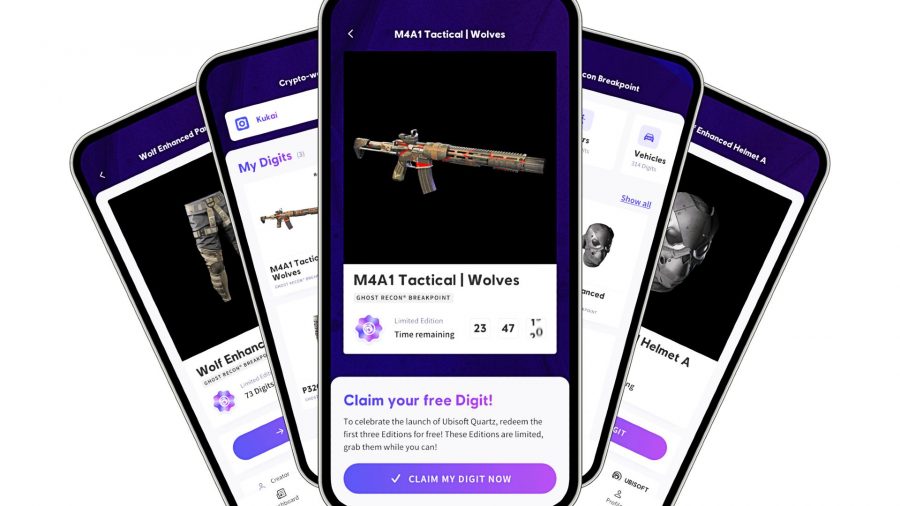
We’ll address the term ‘playable’ first. Now I don’t know about you, but wearing a hat with a serial number on it doesn’t constitute ‘play’ to me. In fact – and this is probably the biggest positive of the whole announcement – there’s no ‘playable’ aspect to any Digit. Quartz’s FAQ explicitly says “Digits are purely cosmetic items that do not influence the gameplay, be it PvE or PvP.” So, no, they’re not playable.
Owning and selling cosmetics that are earned in-game isn’t something that I care about, but nor is it necessarily an awful idea. The notion that you can get some tangible return from rare cosmetic items, whether you’ve earned or purchased them, is appealing for several reasons. Supposedly, you own that item, so regardless of the state of the game the item is from, you possess an asset of some value. If the game has a Rainbow Six Siege-style resurgence then your initial loyalty is likely going to be rewarded as the value of rare skins skyrockets. You don’t even have to be around for that resurgence; you can just log into Quartz, collect your Digit, and make back some of the cost of your original purchase.
There is, of course, the question of what happens if your Digit comes from a game that’s fallen on hard times. For an example of how that might turn out, have a read of Ian Boudreau’s excellent piece on the connection between NFTs and Valve’s failed card battler, Artifact.
To be absolutely clear, that’s not being promised anywhere on the Quartz platform, so this particular aspect of the NFT future promised by crypto bros is moot, for now at least. It’s also worth pointing out that if Ubisoft does pursue this blue-skies endeavour then the development resource is likely to be astronomical, especially if it wants players to be able to use Digits in non-Ubisoft games – and there’s no reason why it would.
Not so awesome.
Ubisoft’s response to this is that “For any real-life toy or collectable cards, the purchaser does not acquire the IP ownership. Similarly, our players benefit from a licence, from Ubisoft, on the visual representation of the item. Having ownership of the token, which links to metadata that’s stored on a decentralised network, means that players are no longer tied to Ubisoft: the token and their visual representation exist beyond Ubisoft’s ecosystem.”
Of course, if you have a real-life toy then the IP rights holder can’t retract the licence at will, which the terms of use clearly state is possible. And while it’s reassuring that both the NFT and its visual representation can exist outside of Ubisoft’s walled garden, the only place it can currently do so is inside a crypto wallet.
All of these points have been made about NFTs in the past, but there’s something so stark about reading them in an official document, just a hyperlink away from the marketing buzzwords that promise control, uniqueness, and even fame.
There’s a bigger question that’s not answered outside of the terms of use: why is Ubisoft doing this anyway? The obvious answer is money, but you might wonder exactly how they plan on making money from this, especially when the first bundle of cosmetics is being given away for free.
There’s a pretty big clue in article 4.2 of the terms of use: “we, or our designees, may take a fee based on the total value of the transaction for each transfer of a Digit that you make through any marketplace”. Worryingly, that fee isn’t disclosed anywhere on the site, but it suggests that Ubisoft is gunning for secondary market sales. It doesn’t matter if future Digits don’t make the company much money through direct sales – what matters is that there are plenty of future transactions, because Ubisoft can skim a fee off every single one. This would be a volume business.
Despite what the terms of use say, Ubisoft tells us that “as announced, at launch and for the foreseeable future, all Digits will be free for players to claim on Ubisoft Quartz and Ubisoft will not take any fee on the secondary market. Even if this was to be the case, most of the Digits’ value would still be value back in players’ hands.”
That’s not a no. It’s a ‘not right now’, and it’s obvious why Ubisoft might one day fancy a slice of the secondary market. If something is rare then it’s going to sell and change hands multiple times, and if a cut of each transaction goes to Ubisoft with each trade then the company stands to make a ton of money. All it has to do is create that rarity in the first place, which is easy to do when you control the supply.
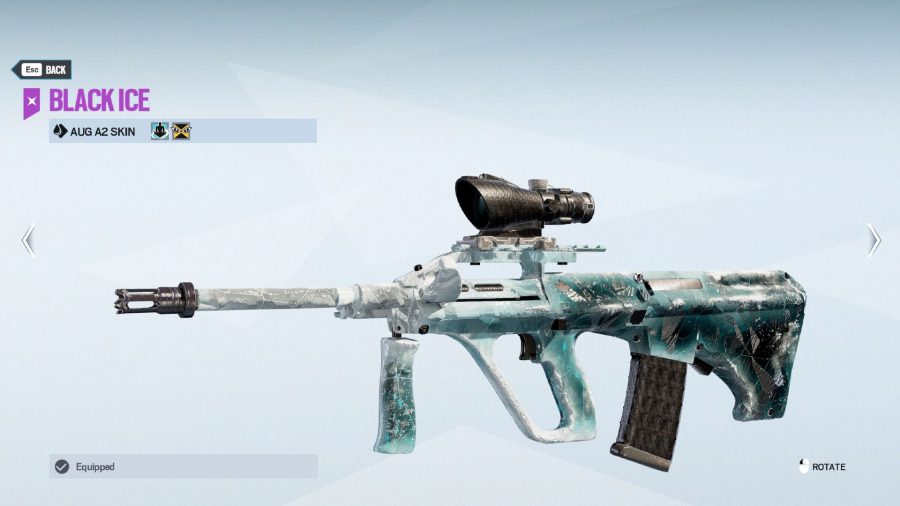
Let’s suppose that Ubisoft brings Digits to Rainbow Six Siege. It could release 1,000 Black Ice weapon skins, the most sought-after skin in the game. Let’s say it releases these for a new gun that wouldn’t ordinarily have the Black Ice skin, and what if it makes them free and exclusive to active players who meet some arbitrary criteria, like having 3,000 hours invested in the game? Of the 1,000 players who get those skins, some will want to sell them, and it won’t take very long for these skins to find a home among the wider playerbase, making any subsequent listings even rarer. As long as these items are circulating, Ubisoft is making money.
Again, we’re speculating. None of this is confirmed to happen and Ubisoft insists that Digits are “an experiment”, but we’ve seen nothing so far to explain why they’re a necessary one that’ll actually improve players’ experience. And there’s certainly plenty of potential to create a more troubling future.
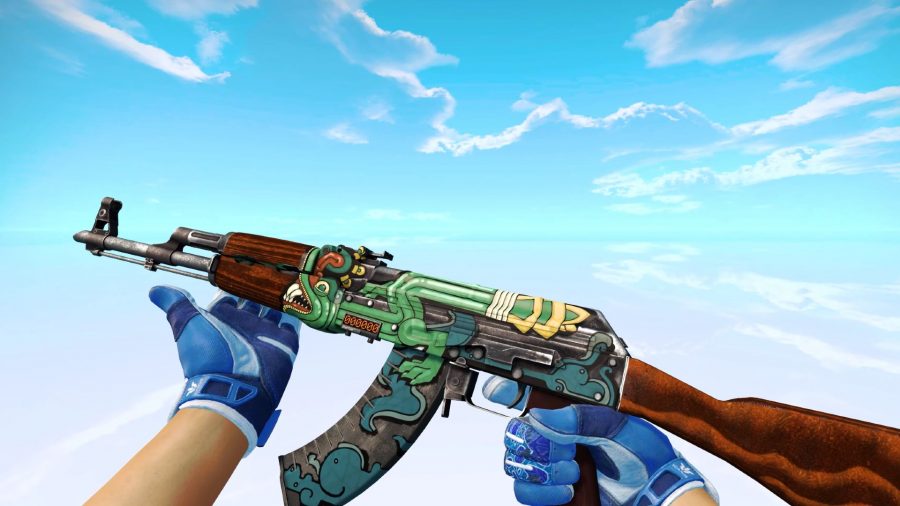
Suppose Ubisoft does start charging those fees. Ok, so everyone gets to make a bit of money, what’s the harm? Well, now let’s imagine Digits slowly creep into the current microtransaction landscape. You’ll still get some free stuff, you might earn some cosmetics through in-game challenges, and there will be some available to purchase from a game’s store. All of these are theoretically attainable for the average player, partly because there’s a reasonable limit to what Ubisoft can charge for a weapon skin (although Riot Games is bending that rule with Valorant’s cosmetic drops). Tradeable weapon skins cause this attainability to suddenly vanish; just look at CS:GO, which has multiple skins that sell for tens of thousands of dollars.
Forget the notion of expressing your identity through your in-game character’s appearance; this is all about showing off how much money you have, and that sucks. It’s clear what Ubisoft has to gain. It’s clear what wealthy bystanders have to gain – although Ubisoft seems to think its flimsy ownership requirements will stop outsiders from taking advantage. But it’s still impossible to glean what the average player stands to gain from owning Digits.
A few dollars earned here and there for dedicated players, potentially hundreds or even thousands spent for really hardcore players, but nothing of note for casual players other than a creeping feeling of alienation. A sense that they belong to a different class than the rich kids and influencers. All for what? A receipt of purchase? Maybe there’s a future in which this tech is used in a way that empowers, but in its current guise, it’s better suited to exploit.
What are NFTs?

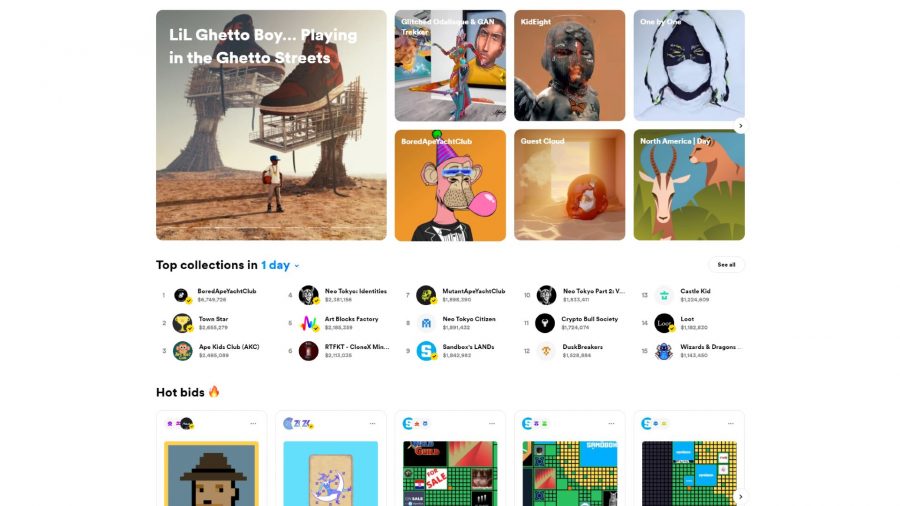
NFT stands for non-fungible token; a weird word, but it has taken art and tech circles by storm. NFTs are a form of cryptocurrency, much like bitcoin, and they make use of blockchains. Blockchain helps to verify the uniqueness of NFTs through the way they store information. Data is housed in groups known as blocks, and each block has a set capacity. When a block is filled, it links to previous blocks to form a chain. With this chain of blocks, there is an unbroken, unique timeline of information that cannot be reversed. It is this immutability that makes an NFT non-fungible, meaning that it cannot be replaced with an identical asset.
NFTs are useful for content creators who wish to sell non-replicable art in a digital landscape. Those who purchase an NFT know that their asset is unique and only one of its kind exists, making them attractive to collectors. In much the same way that limited-edition sneakers or Hot Wheels model cars can sell for astronomical prices, NFTs from established artists or public figures can be auctioned off for a lot of money. In 2021 alone, an NFT by the digital artist Beeple sold for $69.3 million.
While the idea of spending thousands or even millions on pixelated cats and monkeys may seem strange to some, in some ways it is no different than the sale of physical artworks — in addition to having a nice piece of art, they can also serve as investments, as they can be resold for a profit.
Трейлер
Реакция сообщества
Ролик с анонсом Quartz был загружен на официальный YouTube-канал Ubisoft North America. Однако вскоре компании пришлось скрыть его из публичного доступа — сейчас посмотреть его можно только по
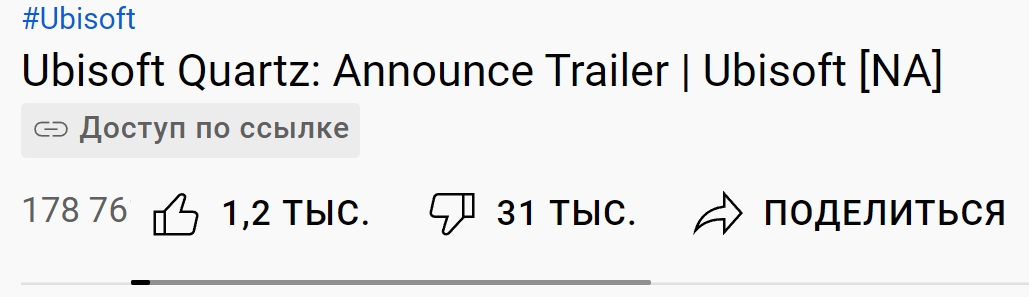
Все дело в негативной реакции аудитории. Видео за считанные часы набрало свыше 10 тысяч дизлайков. Сейчас у ролика 31 тысяча негативных реакций против 1,2 тысяч лайков (чуть меньше 4% положительных оценок).
«Для меня это явный сигнал о том, что вы просто доите франшизу Ghost Recon буквально до последнего цента, прикладывая минимальные усилия к развитию самой игры. Вы взяли сильную франшизу и сделали из нее посмешище», — написал в комментариях популярный блогер OperatorDrewski, специализирующийся на военных шутерах.
На фоне волны негатива Джефф Килли (Geoff Keighley), организатор и ведущий The Game Awards, что на самой премии не будет никаких новостей о Ubisoft Quartz.
To those asking, no, Ubisoft Quartz will not be appearing at #TheGameAwards
Некоторые игроки подчеркнули, что для функционирования элементов, представленных Ubisoft, не нужны блокчейн-технологии. В качестве примера они привели Steam и «косметику», которую Valve продает в своих онлайн-играх. Team Fortress 2 у предметов и так есть уникальные ID, история владельцев, и ими можно торговать», — заметил один из пользователей на YouTube.
С этой позицией также Джейсон Шрайер«Мне кажется, или все элементы этой новой инициативы Ubisoft были возможны на протяжении десятилетий без необходимости использовать блокчейн-технологии?»
Роберт Андерберг подробно ознакомиться с пользовательским соглашением Quartz. «Все транзакции с Digits будут проходить через блокчейн-платформу Tezos. Это зарождающаяся технология, которая может быть связана с рисками и которую мы не можем контролировать», — говорится в документе.
В связи с этим Ubisoft снимает с себя ответственность за любой ущерб и потери, которые может понести использование платформы Tezos, а также за сохранность ключей криптокошельков пользователей. Вдобавок компания подчеркнула, что не сможет оформить возврат или отменить транзакцию.
«Однажды мой сын случайно купил игру за $60 на PlayStationSony вернула ее! Теперь он может случайно купить пистолет за $1000, и я ничего не смогу с этим сделать. Невероятный прогресс!»
Sorry!
Ubisoft Quartz is not available in your region
We’re working on bringing Ubisoft Quartz to even more regions. In the meantime, check out the help page for
more info!
Why is Ubisoft Quartz Controversial?
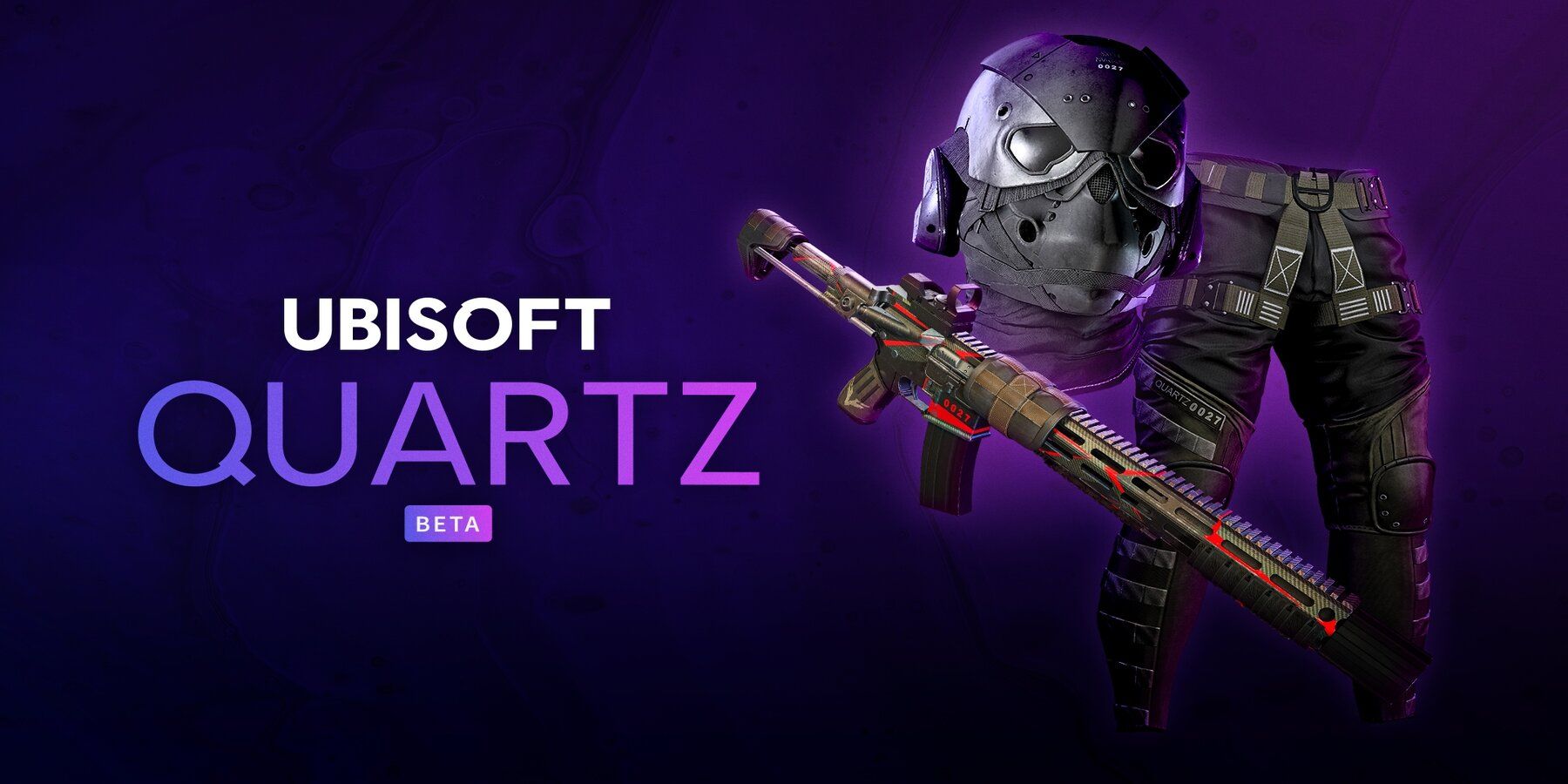
Upon launching the announcement trailer for Ubisoft Quartz, the video received a mountain of dislikes, leading to Ubisoft delisting the video. Hence, while Ubisoft may be excited to launch this project, not all gamers feel the same way.
Many players fear that Ubisoft may be starting an unfavorable trend within gaming. With NFTs, gaming companies will have yet another avenue to monetize gamers and entice them to pay for additional bells and whistles for games that they have already purchased. Much like microtransactions, some simply see it as another instance of capitalistic influences encroaching into the gaming experience. However, due to the limited availability and uniqueness of each NFT, and the fact that they can be traded, they have the potential to be far more expensive than typical microtransactions.
There are some possible benefits to Ubisoft’s Digits. Unlike most microtransactions, they can be sold, which means that gamers who own Digits have an asset of value. Consequently, if players get bored with their current Digits, they can always sell them off to someone else. However, this could lead to games becoming a monetary investment for some who have no interest in games but wish to collect and resell rare NFTs at exorbitant prices.
Already, other companies have voiced interest in implementing NFTs. This includes Electronic Arts, which has claimed that NFTs are an important part of gaming’s future. While the idea of NFTs in gaming is still a polarizing concept, it seems that they have already wormed their way into the industry. Whether they will be accepted or rejected wholesale by gamers has yet to be seen.
Ubisoft Quartz is currently only available in the US, Canada, Spain, France, Germany, Italy, Belgium, Australia, and Brazil.
MORE: 15 Video Game NFTs (& How Much They Sold For)
The Rise and Fall of Ubisoft Quartz
NFTs, or non-fungible tokens, are a form of cryptocurrency that uses blockchain to verify their uniqueness. There are many potential uses for NFTs, as each NFT is unique and cannot be replaced by an identical asset. Digital artists have used NFTs to make their art non-replicable, allowing buyers to know that the art they purchase is one of a kind. Artists that have found success with NFTs include Beeple who, in 2021, sold an NFT for $69.3 million. With that much money flowing in the NFT market, it was only a matter of time before other industries, including gaming, would try to take advantage of NFTs.
Ubisoft Quartz is Ubisoft’s attempt to insert NFTs into its games by making them playable. These NFTs, called Digits, can be collected, traded, and purchased. Ubisoft was excited to launch Ubisoft Quartz, but gamers did not share its enthusiasm. When Ubisoft released a YouTube video introducing Ubisoft Quartz and Digits, the video was showered with enough dislikes to make Ubisoft delist it.
According to Apex Legends Senior Character Artist Liz Edwards, Ubisoft’s NFTs have experienced poor sales, but this has not stopped Ubisoft from pushing them. Ubisoft Strategic Innovations Lab VP Nicolas Pouard still believes in the potential of NFTs and, in an interview, he stated NFTs have plenty of benefits, including giving players the «opportunity to resell their items once they’re finished with them, or they’re finished playing the game itself,» but for now, he claims, gamers «don’t get it.»
What is Ubisoft Quartz?
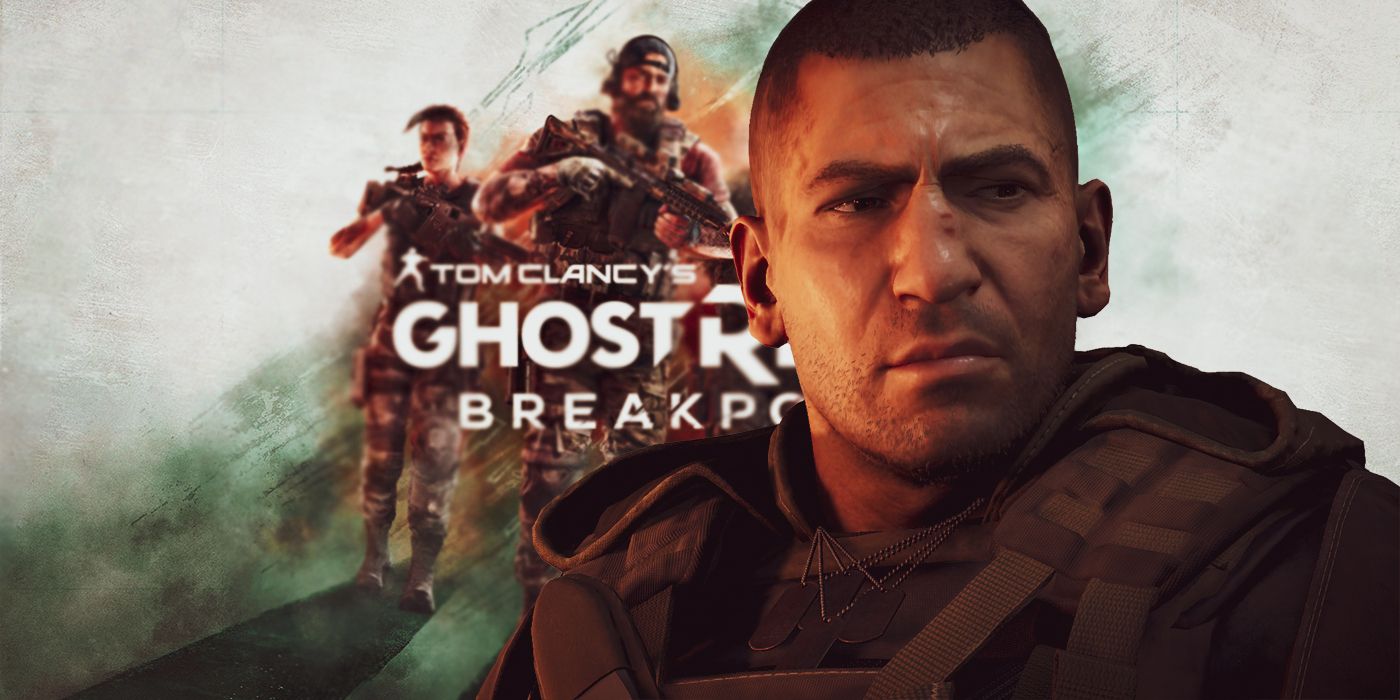
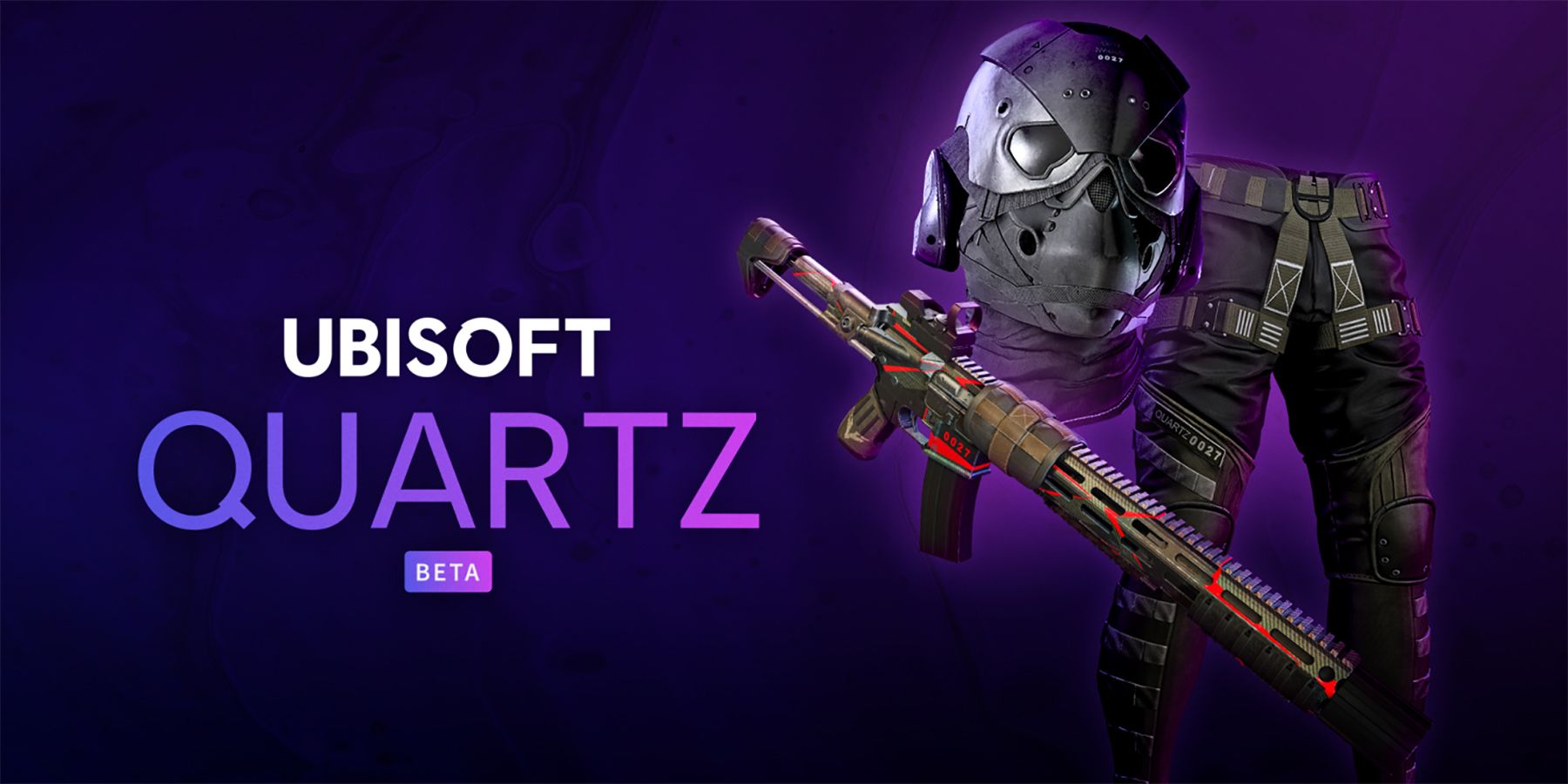
These NFTs, which Ubisoft calls Digits, will be integrated into various Ubisoft games. The first game to support Digits is Tom Clancy’s Ghost Recon Breakpoint on PC. To use Digits in the game, players must be over 18 and must reach experience level 5 in-game. Digits launched on December 9, and free ones can be picked up on December 9, 12, and 15 for those who wish to be the first to jump on the bandwagon. Among the first Digits to be released is the Wolf Enhanced Helmet A, which can be claimed by accumulating global playtime of 600 hours or more, and Wolf Enhanced Pants which can be acquired by completing 100 hours of global playtime.
Part of Ubisoft’s selling point for Digits is that they are unique and released in limited editions, making them an exclusive product. To ensure that each Digit is unique, they will come with a serial number, and they are capable of remembering the name of the owner for years. Ubisoft Quartz is not available in all regions yet.
The Problem With Ubisoft Quartz
Many gamers look at the idea of NFTs in gaming with extreme skepticism, and it is not hard to understand why. The use of microtransactions in gaming began as a benign trend, but it very quickly turned into an issue when developers used microtransactions as a way to exploit gamers and hide content behind paywalls. NFTs, should they gain mainstream acceptance in gaming, could be used in similarly avaricious ways.
According to Ubisoft, NFTs that appear in-game are purely cosmetic and will not affect gameplay. However, it is very easy to imagine a future where Ubisoft loosens that rule, or other studios unabashedly include gameplay-altering NFTs. Furthermore, as microtransactions have shown, even cosmetic items can sometimes be used to affect gameplay, such as when a paywalled item of clothing just so happens to also grant invisibility as a glitch or exploit.
Perhaps the biggest problem is that NFTs have the potential to cause devastating harm to the environment. The process of regulating and verifying blockchain consumes a lot of power, causing NFTs to have a large carbon footprint. Ubisoft attempted to bypass this issue by using Tezos, a blockchain that claims to use less power than the blockchains used by other cryptocurrencies. However, for the environmentally conscious gamer, that might not be enough.
Ubisoft is not alone in failing to promote NFTs in gaming. GSC Game World’s Stalker 2: Heart of Chernobyl was going to feature NFTs. However, after harsh backlash from gamers, that idea was scrapped. Nevertheless, with big companies like EA and Square Enix eyeing NFTs, they may still end up being an inevitable part of gaming’s future, though it seems that for now, NFTs evoke too much doubt and negative effects for gamers to accept them.
MORE: Ubisoft Quartz NFTs Explained