
Активно развивающийся рынок NFT (невзаимозаменяемых токенов) — новая мишень для мошенников. Объем торгов этого сектора во втором квартале 2021 года превысил $2.4 млрд, а в неоконченном третьем квартале уже перескочил за $3.8 млрд. Это слишком большой рынок, чтобы мошенники не попытали здесь счастья. Так, недавно мошенник продал фейковые NFT от известного художника Бэнкси за $338 000. Позже он вернул деньги жертве, но история могла закончиться и иначе. На фоне этого мы составили подборку наиболее распространенных видов мошенничества на рынке NFT, а также способов, как их избежать.

- Фейковая служба поддержки
- Мошенники и криптокошелек MetaMask
- Фейковые ссылки для создания NFT
- Фейковые торги NFT
- Фишинговые NFT-маркетплейсы
- Копии оригинальных NFT
- Нарушение авторских прав
- В заключение
- How do NFT scams work?
- Popular NFT scams
- Fake and replicated NFT websites
- Bogus or fake NFT offers
- NFT giveaways or airdrop scams
- Social media impersonation
- Impersonating well-known brands
- Impersonating customer support
- Fake NFT projects (rug pull scams)
- Counterfeit or plagiarised NFTs
- Pump and dump scams
- How to avoid NFT scams
- Create strong passwords
- Enable two-factor authentication
- Always crosscheck the NFTs price
- Verify NFT seller accounts
- Use a cold storage wallet
- Duplicated or Plagiarized NFTs
- How Can you Avoid NFT Scams Taking Place through Duplicate Artworks?
- Phishing Scams
- How to stay away from Phishing Scams?
- How to identify a Rug Pull Scam?
- Bidding Scams in NFT Collection
- How to Escape from Bidding Scams?
- Pump and Dumps in NFT Projects
- How to avoid the Pump and Dump Scam?
- NFT Airdrop or Giveaway Scams
- How to sidestep Airdrop and Giveaway Scams?
- Technical or Customer Support NFT scams
- How to avoid Technical Support Scams?
- Website Scams
- How to Recognize NFT scams Website?
- Fake Influencers
- How to identify Fake Crypto Influencers?
- Stealth Drop NFT Scams
- Key Takeaways
- 5 Most Common NFT Scams to Watch Out For
- Rug-Pull Scams
- Pump-and-Dump Schemes
- NFT Giveaways (Airdrop Scams)
- Investor Scams
- Customer Support Impersonation
- Final Thoughts
Фейковая служба поддержки
В последнее время участились случаи, когда пользователи NFT сталкиваются с мошенниками и лишаются своих активов. Один из самых частых кейсов на рынке NFT связан со службами поддержки различных маркетплейсов.
Так, например, злоумышленники притворяются сотрудниками популярной NFT-площадки, такой как OpenSea, и в ходе общения стараются получить доступ к приватным ключам пользователя или продать ему поддельные NFT. Для этого мошенники создают аккаунты в мессенджерах с названием вроде «Поддержка OpenSea». Как только потенциальная жертва в чате упоминает о своих проблемах, псевдопредставители техподдержки пишут ему первыми.
Больше всего фейковых поддержек в профильных чатах и сообществах в Telegram, а также на платформе обмена сообщениями Discord. Но известны и случаи, когда мошенники создают собственные Telegram-каналы и выдают их за официальные каналы маркетплейса.
Чтобы не попасться на эту уловку, рекомендуем не сообщать о своих проблемах в чатах — обращайтесь к техподдержке напрямую через тикет или аккаунты, указанные на странице проекта. Но самое главное — никогда никому не сообщать данные своей учетной записи, приватные ключи или мнемоническую фразу, сотрудникам маркетплейса они попросту не нужны. Также, перед тем как вступить в сообщество маркетплейса, обязательно убедитесь, что присоединяетесь к официальному каналу проекта. У особенно популярных платформ могут быть десятки «двойников».
Фейковые поддержки — популярное мошенничество в криптомире. Ранее мы подробно рассказали о наиболее популярных схемах обмана криптопользователей и о том, как от них защититься.
Мошенники и криптокошелек MetaMask
Еще одним из довольно эффективных способов обмана являлось использование браузерной версии кошелька MetaMask.
Так, мошенник предлагает пользователю поделиться своим экраном, после чего направляют жертву в раздел кошелька, предназначенный для подключения MetaMask к различным устройствам. Сделав это, злоумышленник может настроить кошелек на своем собственном устройстве, получив полный доступ к средствам пользователя.
Фейковые ссылки для создания NFT
Много возможностей для мошенников появляется во время первоначальной продажи NFT или в ходе создания нового NFT. Процесс выпуска NFT несложен, но если пользователь невнимателен или действует на волне ажиотажа, то может ошибиться.
Так, мошенники размещают в чатах и каналах фейковые ссылки на сайты, где якобы будет происходить чеканка NFT. Перейдя по ним, пользователи синхронизируют свои кошельки с сайтом мошенников и теряют все NFT.
Чтобы не пополнить список жертв этой уловки, не переходите по ссылкам из чатов и каналов, а также пересылаемых в личных сообщениях. Также лучше не хранить все NFT на одном кошельке и перед каждой чеканкой создавать новый.
Фейковые торги NFT
Если пользователь хочет купить или продать NFT, скорее всего, он подключит его к маркетплейсу, например, к самой популярной NFT-площадке OpenSea. В последнее время на платформе становятся особенно популярны кейсы, когда мошенники обманывают жертв во время аукциона по покупке невзаимозаменяемого токена.
Суть аферы в том, что злоумышленник предлагает цену за NFT не в выбранном активе, а в другом — более дешевом. Например, в стейблкоине USDC вместо WETH или ETH. Вроде бы на такое сложно попасться, но невнимательным продавцам это удается. Например, токен стоит 3 ЕТН ($11 270), а мошенник предлагает сразу 10 USDC ($10). Обрадованная жертва может не заметить подвоха и продать актив за указанную сумму.
Фишинговые NFT-маркетплейсы
Еще одно простое в своей механике мошенничество — фейковые NFT-платформы для торговли активами. Злоумышленники просто создают собственные сайты-копии популярных площадок, которые выглядят точно так же, как настоящие. Введя свои учетные данные на фейковом сайте, жертва передает их мошенникам. Также она может купить фейковые NFT — копии тех, что продаются на оригинальных площадках.
В мартовском исследовании компании Bolster отмечено, что в начале весны количество регистраций доменов, похожих на популярные NFT-маркетплейсы («rarible», «opensea» и «audius»), увеличилось втрое по сравнению с предыдущими месяцами. Также выросло количество регистраций доменов с использованием таких слов, как «crypto», «nft», «market», «trade».
Адреса фейковых сайтов отличаются от настоящих одним-двумя знаками или доменной зоной. Например, opensea.com вместо opensea.io, или rarbile.com вместо rarible.com. В поисковиках отыскать такие сайты сложно, при том поисковики быстро их блокируют. Но в личных сообщениях и в чатах жертва может перейти по ссылке и не заметить подмены.
Мошенники также создают домены, обыгрывающие хайповые новости NFT-рынка. Например, после новости о продаже в феврале NFT в стиле известного анонимного художника Бэнкси за $900 000 были зарегистрированы домены вроде banksynft.com, которые, естественно, не имеют никакого отношения к художнику.
Нажав на фейковую ссылку, пользователь не всегда попадает на клон маркетплейса. Чаще всего его перенаправляют на сайты с вредоносным ПО.
Еще один вариант мошенничества на хайпе NFT — фейковые аирдропы, бесплатные раздачи монет. Мошенники создают поддельный сайт известной NFT-площадки, который предлагает пользователям отправлять им токены, а в ответ получать еще больше токенов.
Например, весной Bolster фиксировал тысячи фейковых аирдропов платформы Rarible. Ссылки на мошеннические аирдропы распространяются через соцсети и мессенджеры. Ранее мы подробно рассказали, что такое аирдропы, как на них заработать и не нарваться на мошенников.

Скриншот фейкового аирдропа с мнимой раздачей токенов RARI маркетплейса Rarible. Источник
Копии оригинальных NFT
Мошенники также создают копии оригинальных NFT и продают их под видом подлинных. Технически это несложно, ведь, по сути, NFT — это просто запись в блокчейне о том, что цифровой файл принадлежит определенному адресу. Копии отличаются от оригиналов только адресом и тем, что к одному из них приложил руку настоящий автор изображения или NFT, а к другому — нет. Мошенник может скопировать оригинальную гифку или JPEG-картинку, создать новый NFT и выдать за оригинал.
Даже на крупных маркетплейсах до сих пор нет строгой проверки продавца NFT — любой может загрузить файл и создать на его основе NFT. Аккаунты мошенников, торгующих от лица известных художников, быстро блокируют, но к этому времени они уже могут продать несколько поддельных NFT.
NFT-подделкам подверглись работы известного художника Beeple (Майка Винкельманна), чей коллаж «EVERYDAYS: THE FIRST 5 000 DAYS» был продан на аукционе Christie’s в марте за $69.3 млн. В апреле хакер Monsieur Personne создал копии коллажа в попытке доказать, что уникальность NFT намного переоценена. Поддельные токены ссылались на те же данные, что и оригинальный, при этом конфигурация их компонентов, идентификатора и истории транзакций также были похожи на подлинный — со стороны поддельный NFT выглядит как настоящий. Так Monsieur Personne показал, что в уникальность NFT надо верить — технически ничто не мешает создателю токена или хакерам делать его копии неограниченное количество раз. Цифровой художник, известный как Mushu Person, также сделал несколько одинаковых NFT по произведениям Beeple и выставил их на нескольких NFT-платформах, выдавая себя за Винкельманна.
А совсем недавно, 31 августа, на сайте Бэнкси мошенник опубликовал объявление о продаже NFT на произведение художника «Great Redistribution of the Climate Change Disaster» в ходе аукциона на площадке OpenSea. NFT был куплен за 100 ЕТН (около $338 000 в день продажи). Покупателем оказался инвестор, известный под псевдонимом Pranksy — он получил ссылку на объявление об NFT в Discord. Инвестор перепроверил, что объявление дано на официальном сайте Бэнкси, и предложил 100 ЕТН, после чего торги сразу завершились.
После того как через полтора часа с сайта Бэнкси пропала информация об аукционе, Pranksy понял, что стал жертвой мошенничества. Через несколько часов злоумышленник вернул инвестору 97.69 ЕТН — остальную сумму составила комиссия OpenSea. Вероятно, хакер побоялся, что его личность раскроют. Ранее мы подробнее рассказали об этом случае.

Скриншот фейковой «Great Redistribution of the Climate Change Disaster» на сайте Бэнкси. Источник
Защититься от NFT-подделок сложнее, чем просто не переходить по непроверенным ссылкам. От такой уловки не застрахованы даже опытные инвесторы. Ситуацию усугубляет то, что сами NFT-платформы фактически не борются с копированием NFT и с тем, что любой может выдавать себя за известного художника. Например, OpenSea так и пишет, что покупатель должен «провести собственное исследование» перед приобретением токена.
Нарушение авторских прав
Злоумышленники не только копируют оригинальные NFT и выдают себя за известных художников — они также пренебрегают авторскими правами и создают собственные NFT на основе чужих произведений. Ранее мы также подробно рассказали о других юридических и регуляторных рисках, связанных с NFT.
Это создает для покупателей правовые риски, связанные с нарушением авторских прав, а также снижает ценность самого NFT. Ведь в оригинальных невзаимозаменяемых токенах важны не сами изображения, а подтверждение авторства, которое предоставляет NFT. Создать NFT на любое изображение может кто угодно: достаточно иметь Ethereum-кошелек и немного газа для оплаты комиссий. Скорее всего, многие художники даже не подозревают, что кто-то использует их произведения для создания NFT.
В марте художница Weird Undead рассказала, что на OpenSea неизвестные продают десятки NFT на основе ее работ. В том же месяце писатель Симон Столенхаг нашел NFT с кадрами из сериала по своей книге «Tales From The Loop» на OpenSea.

Весной художник и визуальный разработчик Девин Элль Курц столкнулся с тем, что кто-то выложил NFT на его работы на сайт Marble Cards. NFT до сих пор продается. Источник
Некоторые крупные художники предприняли собственные меры для защиты и сертификации своих работ, продаваемых в интернете. Ханнес Кох, соучредитель студии Random International, в комментариях для The Wall Street Journal сказал, что он и его сотрудники стали добавлять блокчейн-сертификаты от компании Verisart к своим NFT.
В заключение
Рынок NFT стремительно растет — и количество мошенников на нем будет также увеличиваться. Но, к счастью, от большинства уловок злоумышленников можно защититься, соблюдая базовые правила криптобезопасности.
Главное, что стоит запомнить: при покупке NFT необходимо самостоятельно и тщательно проверить его оригинальность — то, что токен размещен на крупной площадке, не гарантирует его подлинности.
With crypto-based and NFT scams becoming increasingly more sophisticated, it’s easier to fall for them than ever.
Although NFTs have much broader use cases in supply chain, drug development, gated communities, the most known use case is still buying and selling digital art. And when it comes to any exchange of money, there will always exist people trying to scam others.
The use of these cryptographic assets for trading digital art caught the attention of web enthusiasts worldwide after reaching a market value of $87 billion in February 2022. However, as NFT popularity rose, so did public interest in ‘NFT scams.’ Searches for the term peaked at an all-time high in the first week of February 2022
As is with procuring any pricey collectable, buyers should make themselves aware of the NFT scams and fraud schemes used to deceive them. Our team has collated this NFT scams guide so buyers can educate themselves on almost everything there is to know, from what they are to how they work.
Scams target people of all backgrounds.
Scammers succeed because what they do seems natural to you, but usually, they are too good to be true. At Supplain, we want to educate our community about cryptocurrency, NFTs and safety. Here is our guide to help you avoid getting scammed.
Resources you’ll love:
How do NFT scams work?
NFT scams when trading digital art succeed by either tricking you into believing you successfully purchased or sold a legitimate NFT or stealing your cryptocurrency wallet login credentials.
At least, that is, in theory.
Popular NFT scams
Once a scammer gets ahold of your 12-word security seed phrases through a phishing attempt, they can drain all of the crypto tokens in your digital wallet.
Fake and replicated NFT websites
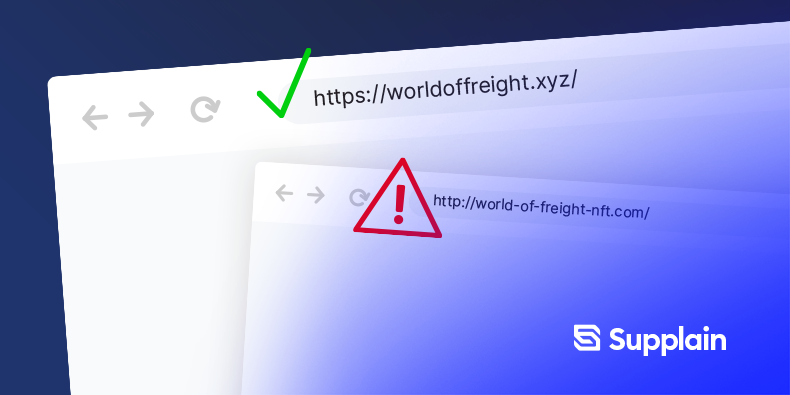
NFT scams like this sadly result in individuals spending thousands on counterfeit — thus becoming worthless on the NFT market.
Always verify the website or NFT marketplace URL you use before logging in to avoid this scam.
Bogus or fake NFT offers
Once there, you’ll be asked to log in and enter your details to obtain your NFT offer. Sadly once you do this, scammers use keylogging or spyware to record your information and then steal your NFTs from a real NFT marketplace.
Always check the sender address of any email received from an NFT trading platform — message them and ask do they send these types of emails?
NFT giveaways or airdrop scams
«Are NFT giveaways and airdrops legitimate?»
The quick answer is not always.
NFT scammers pose as legitimate trading platforms for NFT holders to promote NFT giveaways, also known as airdrop scams. They promise a free NFT in return for spreading their message and signing up for their website.
However, once you link your crypto wallet to receive the NFT prize, scammers record your details and then steal your NFT once they have gained access to your account.
Avoiding this scam can be tricky, but typically we advise examining the account’s social media page for verification or ensuring the link sent matches the NFT company’s URL.
Social media impersonation
Used as a way to scam others using an NFT giveaway or airdrop, impersonating another NFT owner on social media has been trending a lot lately.
Using similar sophisticated details as they would a fake BFT website, cybercriminals create an online profile, copying a true NFT holder’s details to convince others of their credibility and then sell them counterfeit NFT collectables.
Check the blue verification tick next to a seller’s profile to verify their identity. Maybe even direct message them to seek if they are genuine. Scammers will eventually trip over their own lies.
Impersonating well-known brands
Hopefully, most of us will recognise this quickly as something too good to be true. Social media accounts of legitimate organisations like Binance are copied to obtain access to your personal details, namely your wallet credentials. The fake business social media account will often have a URL to a phoney website, too. The URL is a slight variant of the valid business web page.
Again, check for the blue verification badge; if it is not there, then definitely question the validity of the social media account and even report it if it is fake.
Impersonating customer support
This NFT scam includes creating fake servers to connect to and then asking for personal details so that the fake customer support can ‘resolve’ their issue. Yet, in practice, they are gaining uninterrupted access to your crypto wallet.
To avoid this customer support scam, only access the Telegram or Discord server created by the NFT creator’s official website or social media account.
Fake NFT projects (rug pull scams)
NFT projects are another way scammers trick people into parting with their money, known as rug pull scams. Scammers create what appears to be a legitimate NFT to lure people into buying it but eventually turns out not to be resellable, effectively destroying any future value.
The NFT owner then realises they paid an extreme amount of money for an asset that won’t appreciate as they believed it would.
Counterfeit or plagiarised NFTs
NFT buyers must note that minting digital files does not make it a new piece of intellectual property or provide the minter with ownership, two characteristics of NFTs.
Scammers use minting to lure people into believing they are buying a unique NFT. Scammers plagiarise other NFT owners’ work and then create an account on a trading platform and auction it off to the highest bidder. Sadly, the asset that is purchased loses its value once the buyer realises it’s a counterfeit NFT.
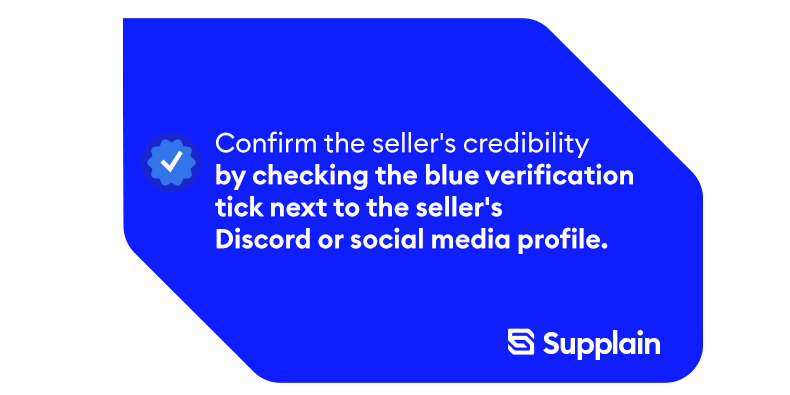
Confirm the seller’s credibility by checking the blue verification tick next to the seller’s Discord or social media profile.
NFT bidding scams occur once an NFT is being resold. Once interested buyers place their highest bid, they usually switch to a lesser-value cryptocurrency. For example, instead of receiving 10 ETH, they could receive 10 MATIC instead.Bidding scams happen primarily with NFT holders looking to resell their NFT, thus mainly in the secondary market.
Always cross-check the currency used during any transaction and never accept bids lower than you initially intended.
Investor scams occur whenever money is transacted — and the situation can be worse when dealing with cryptocurrency.
Scammers create projects that seem a worthy investment, then entirely disappear with the funds they collected from investors when they paid (even if only partially paid, like a deposit). Recently, an NFT developer, «Evil Ape,» collected almost — never to be heard of again.
Find contact information for the NFT creator you want to purchase so you can verify them before transferring money.
Pump and dump scams
Like securities fraud, experienced NFT scammers use «pump and dump» scams to drive up an NFTs price. Scams are done by making several bids within a short period to make it appear that this particular NFT is popular, playing on people’s FOMO (Fear Of Missing Out). Once it gains traction and the selling price reaches a higher number than initially valued at, the scammer cashes out and sells to the highest bidder. Pump and dump scams are sadly rising in the NFT and crypto worlds.
Pump and dump scams are hard to detect. We suggest reviewing the transaction history of the desired NFT. Several transactions centred around one date could indicate a pump and dump scam.
How to avoid NFT scams
Never, ever click on links or attachments related to your NFTs if you do not know or are unsure who it is from. Cybercriminals frequently use phishing emails to get the public to compromise their
Create strong passwords
for your cryptocurrency wallet and other NFT accounts would be ideal. It would be best if you always considered ‘leetifying’ your passwords.
To leetify, a text replaces standard alphabetical letters with unique numbers or symbols. Leetified passwords are more challenging to guess or crack. Leetifying can help protect you from NFT scams that will attempt to steal digital assets from weak passwords.
Enable two-factor authentication
Activating two-factor authentication (2FA) on all of your NFT accounts will ensure scammers can’t get their digital hands on your collectables. Apps like or using biometric data on your smartphone like fingerprint scanning and facial recognition helps make it impossible to replicate your identity.
Always crosscheck the NFTs price
Before purchasing an NFT, check the price on an official trading platform like . If the price appears much lower than what’s listed on a legitimate trading site, then immediately question its true value.
Verify NFT seller accounts
When purchasing an NFT, always verify the NFT seller’s account to determine if they are real. Flip through their Discord and social media profiles and check the blue checkmark that verifies their identity.
Use a cold storage wallet
A cold wallet, otherwise known as a hardware wallet or cold storage, is a physical device that keeps your cryptocurrency completely offline. Many look like your standard USB drives. Taking your holdings offline helps protect you from hacking and online attacks, but you can also risk losing your holdings if you lose the device or it becomes damaged.
Now that you know the trending NFT scams on the internet, be sure to save this guide when you begin to trade, buy or sell an NFT and beware of the potential signs of NFT fraud. In a world of emerging online cybersecurity threats, there’s no better feeling than learning how to help protect yourself and avoiding being a victim of NFT fraud.Remember, if it sounds too good to be true, it is.
These might be of interest:
Scams have always been a significant threat to cryptocurrency investors and NFTs are no exception. Even as security measures improve in future, hackers will still find other sophisticated ways to lure and trap you in different NFT scams.
Over the last few years, NFTs have undergone a whole new paradigm shift and are now seen as mainstream investment options. However, fundamental awareness around its authenticity and technical facts remain to be a ‘tough nut to crack’ for many investors.
“Avoid curiosity, stay dumb and poorGet too curious, stay dumb, poor, and even scammed!”
Essentially, there are two types of NFT buyers in the market. The first one is aware of the legitimacy and the working mechanism of NFTs. In contrast, the second one is less proficient at NFTs but still considers them good investments.
Undoubtedly, the chances of falling for NFT scams is higher for the second one because scammers are more likely to target less experienced people in marketplaces.
There will always be scams in every money-making market. It cannot be nipped in the bud, but it can be avoided if investors are careful. So, every market participant must know the types of NFT scams and how to avoid them.
Multimillion-dollar auctions are becoming an everyday routine for NFT marketplaces. Investors are thus pouring their money into digital collectibles and looking forward to quickly becoming billionaires.
Duplicated or Plagiarized NFTs
Duplicating original NFTs is a typical type of NFT scams. Here, scammers copy the original work of an artist and then create NFTs.
These copied or stolen NFTs are listed for further auctions in the marketplace accounts of scammers. Such NFT scams are so well plotted that the buyer may think these are original works and would instantly buy one.
Eventually, it occurs to owners that they have been duped with worthless art pieces. At last, owners who buy such copies end up with worthless art pieces. Unfortunately, there is no going back from this point!!
For instance, Lois van Baarle, a Dutch digital and animation artist, found 132 artworks of her for sale on OpenSea. The artist tweeted that ‘none of those artworks are listed with her permission.’
Lois added that NFT platforms barely respond to such duplication issues and went on to reveal that she doesn’t mint her artworks as NFTs.
Another instance is that of DeviantArt, an online community for artists which has half a billion digital artworks. This community discovered more than 90,000 copies of their artworks on several NFT platforms. Artists of the DevianArt community are now scrolling the NFT marketplace to find out their paintings.
The second case of duplication is creating NFTs similar to a popular NFT collection. This replication confuses investors and most investors believe it is a new collection created by the original premium collection team. Buyers of such plagiarized NFTs turn out to be the major losers in this scam.

PHAYC #8277 Phunky Ape Yacht Club #8479
PHAYC and Phunky Ape Yacht Club are trying to flip or imitate original BAYC NFT apes. Buyers who are not thoroughly aware of the original BAYC may buy these versions from non-verified sellers.
To what extent can artists and marketplaces prohibit duplication?
OpenSea has already explained their side on such issues. An OpenSea spokesperson stated that selling plagiarised NFTs is against the platform’s policy. The OpenSea technical team continuously tries to delist such NFTs and ban the seller.
The NFT marketplace also informed its customers of its increased efforts to curb fraud and plagiarism. OpenSea recently introduced security features to hide suspicious NFT transfers. In January, the marketplace reversed the decision of ‘no limit on minting’ and set it to a ‘50 item and 5 collection’ limit for free minting to help the creators.
How Can you Avoid NFT Scams Taking Place through Duplicate Artworks?
NFT scams occurring through duplicate artworks purely require precautionary measures from investors themselves. One can consider researching the seller on more than two platforms before purchasing an NFT from a particular collection. One must also cross-check the details of the seller’s account with their social media profiles.
Platforms like OpenSea show a ‘blue tick’ next to the seller, indicating the seller’s legitimacy. One must always try to buy NFTs from a verified seller or try using a trusted product like to facilitate your NFT trades.
Phishing Scams
Last year, Metamask customers were alerted to a phishing scam that asked for the 12-word security code of customers. Metamask later tweeted out that it is a big scam.

Metamask E-mail scam asking for verifying accounts
An E-mail scam is not the only case. Recently, Metamask customers faced a phishing hack via Google ads. The victims found their MetaMask wallets empty because the assets had been stolen and transferred to the defrauder’s account.
MetaMask is not the only victim of the Phishing scam. In May, 29 Moonbirds NFTs valued at about 750 ETH, approximately $1.5M were lost in a phishing scam.
How to stay away from Phishing Scams?
Whenever an activity asks for any of your sensitive data or security, one must confirm with the customer support team or community.
In case of MetaMask wallets, fulfill verifications and other activities associated with the wallet through the official domain ‘MetaMask.io URL’ and do not click on sponsored ads or other unofficial links.
Also Read: Metamask Safety Tips 101 from Zensite
In a typical rug pull scam, promoters try to create a pre-hype around the NFT collection through social media channels. Later, developers suddenly abscond with the money once people have invested enough in it. The underlying anonymity of the decentralization space makes it easy to pull off such NFT Scams.
Thus, rug-pulls happen after ‘hyping and promotion’ boosts both the price as well as the recognition of the tokens. And as soon as enough NFTs have been sold, the advocates abruptly stop backing the NFT. Consequently, the market price of NFT gradually declines and falls to zero.
In another rug pull variant, the developer modifies the underlying code and prevents holders from reselling the NFT. In this scenario, the creators may get enough money from the initial sales, but it is the investor who is on the losing end.
Recently, Jake Paul shilled “The Animoon” project turned out to be a rug pull of $6.3 million.
Early this year, in an instance where 8888 NFTs under the Frosties Project fooled investors, Federal prosecutors had charged two men for the NFT scam of $1.1 Million.
How to identify a Rug Pull Scam?
So, how does one know they have been ‘rug-pulled’? Notably, this is one dangerous category of NFT scams and is quite difficult to identify because of how subtly it is carried out!
Also Read: Rug Pull Scam: Absconding With the Investors Money
Bidding Scams in NFT Collection
Bidding scams are a common type of NFT scams and mostly occur in the secondary market to fuel the price up. Upon listing NFTs for resale, bidders change the preferred currency to a low-value currency.
Altering the coin turns out to be the sore point for NFT collection as the change in currency value leads to potential losses for investors.
How to Escape from Bidding Scams?
Assuredly, bidding scams are not just easy to spot but also to escape. For that, you must always double-check the currency listed and refrain from accepting bids that are less than your limits.
Pump and Dumps in NFT Projects
Pump and dump scams are common in every trading marketplace and that includes the NFT space too. Fraud refers to artificially driving the demand up for NFTs. Once the pump increases the price of the NFTs, tricksters dump their whole assets at a good profit.
Usually, this happens when a person or group buys many NFTs from the same collections. They bid for a price rise and sell off at a price hike. The fraud leaves other investors who bought the NFT by considering the rising demand, in the red!
There’s something called ‘Wash Trading Technique’ that is a part of this fraud. It happens when the same person buys and later sells an asset, thus pumping up the price further.
The NFT market has a profound history of pump and dump scams. One of the first NFT collections, Cryptokitties, had also faced pump and dump allegations.
If we were to see a recent illustration of this type of NFT scam, then we can’t miss out the Mojang controversy! A week ago, Mojang Studios declared a ban over NFTs in its popular and decade-old game “Minecraft” citing pump and dump as one of the reasons behind the call.
How to avoid the Pump and Dump Scam?
When you come across such sudden NFT price surges, check out the price history of the collection. Not just this, but one has to be aware of the wallet records of the same. Luckily, NFT marketplaces like OpenSea have this facility for checking wallet records.
Note the total number of trades during the hype stage and transaction history. If fewer people are involved in buying and selling of NFTs, it’s a straight up a ‘Red Flag’.
NFT Airdrop or Giveaway Scams
In a similar instance, hackers targeted a number of popular crypto YouTubers via a fraudulent video promoting a fake crypto giveaway.
Also Read: Hacker Hijacks 30 Crypto YouTubers to Broadcast Giveaway Scam
How to sidestep Airdrop and Giveaway Scams?
It is easy to bypass NFT airdrop or giveaway scams. How ??
Well, if you are not sure about the website’s legitimacy, DO NOT CLICK. Visit the websites or social media associated with the hidden links to clear up any confusion.
Technical or Customer Support NFT scams
Technical or customer support frauds are actually quite a casual sight in every industry. Fraudsters find NFT holders’ contact details through Discord, telegram, or Reddit to carry out this kind of NFT scam.
The charlatans will ask for your digital collectible’s credentials and sensitive data if you are convinced. Once you provide the information, assets will be stolen from the NFT owners.
How to avoid Technical Support Scams?
Note that the official team may not reach out to the community members via social media. Thus, do not provide any sensitive information through social media. Contact the official team before responding to messages that ask for sensitive customer information as an NFT scam might be waiting for you too!
Website Scams
Highly skilled NFT swindlers create replicas of original marketplaces to carry out this sort of NFT scam. The designs will be similar to the original websites. The similitude is directed to confuse owners about the legitimate page.
This kind of NFT fraud falls under the title ‘social engineering scams’. If they are not carefully looked at, owners lose their money by buying NFTs from such scam websites.
How to Recognize NFT scams Website?
Enough research about the legitimacy of the official URL of the website should be done before doing any website activity. Check the domain. Never use links, pop-up messages, or email letters to enter the website.
Fake Influencers
Celebrities and influencers can have a big impact on the popularity of an NFT project. Hence, NFT developers approach influencers to promote their projects. The public may fall for such NFT scams before even identifying the fake endorsements.
In some instances, scammers try to create phony promises in the name of charity. In June, a Brazilian teenager got scammed by a fake NFT influencer named Mineeervas for 0.14 ETH.
Mineeervas was accused of selling the victim an alpha pass for 0.14 ETH for a project allegedly driven by Murat Pak and promoted by Punkie. Eventually, the buyer identified the scam and realized the pass was for a fake project.
How to identify Fake Crypto Influencers?
Do good research about the project. Verify the influencer’s social media handles to see if they are associated with the project. There will be official promotions from influencers if there is an association.
Stealth Drop NFT Scams
One way to spot a Stealth Drop project is to check if their Discord channel is a closed one and is open only via invitations. Usually, the fraudsters will only invite prospects who are easy prey for NFT scams.
The NFT market prospered and grew to a great extent since last year. The beginning of this year posed tremendous challenges to security for NFT marketplaces.
In India and the US NFT market, theft and crimes hit an all-time high in January 2022. Hence, experts in the NFT market warned investors and owners to be cautious.
Paradoxically speaking, besides all the earning opportunities, NFTs are also rife with risks! Scams and frauds are a part and parcel of opportunities, so scammers continue playing tricks in NFT marketplaces.
Thus, one must take time to research projects. Use two-factor authentication and strong passwords. Be careful of any action performed on official websites. Before taking any action, verify every piece of information twice.
Regardless, no one wants to miss out on profit opportunities even at the risk of being scammed. As investors, one must keep greed at bay and emphasize cautiousness. People can avoid falling victim to scams to a large extent by paying close attention.
We can’t help stressing more on what the poet Horace had to say on Greed- He who is Greedy is always in want..!! So stay curious and hungry but alert.
Cloudwards.net may earn a small commission from some purchases made through our site. However, any affiliate earnings do not affect how we review services.
NFTs are all the rage these days because they provide a way for artists and content creators to sell their NFT collections for thousands, if not millions of dollars. In 2021 alone, NFT trades totaled a whopping $17 billion, up 21,000% from the previous year. Unfortunately, the boom has also attracted a deluge of NFT scams.
These scams can make you lose your NFTs or make them worthless in one fell swoop. You may even end up buying NFTs that will disappear before you can turn a profit.
Key Takeaways
The difficulty with NFT scams is that they’re continuously evolving and you might not know exactly what to do to safeguard your digital assets. In this post, we’ll lift the lid on the most common NFT scams, explaining how they work and what you can do to keep your NFTs safe, such as using a VPN. Ready? Let’s jump right in.
Scammers often use phishing attacks to steal prized NFTs.
Most NFT fraudsters aim to get access to your NFT account. They do this by using a variety of phishing cons to get you to hand over your private wallet key. Once these scammers access your account, they’ll quickly drain it before you even get wind of the scam.
If scammers can’t get NFT holders’ login details, they’ll create a fake or worthless NFT project and prey upon people’s fear of missing out and the lure of a quick buck to make them invest. Once the NFT gathers steam and investments pour in, the fraudsters vanish with the funds.
5 Most Common NFT Scams to Watch Out For
Now that we understand how NFT scams work, let’s peel apart five of the most common ones.
Rug-Pull Scams
A rug-pull refers to a scam where developers hype an NFT but pull out after receiving substantial funds from investors. These crooked developers often use social media to build trust and fanfare around their NFT while waiting for investor funds to pour in. Then, they shut down the entire project and vanish with the funds as soon as they have enough.
A classic case of an NFT rug-pull scam is the Frosties NFT rug-pull operated by a pair of 20-year-olds, Ethan Nguyen and Andre Llacuna. They touted their NFT with several promises, including exclusive mint passes, giveaways and dibs on a metaverse game. However, they shut down their website and social media accounts after investors poured in over $1.3 million.
Bidding scams often happen in the secondary market when you try to sell your NFT. When you put your NFT up for sale, scammers place the highest bid and you’d naturally want to sell it to them. However, these scammers can change the cryptocurrency used for the bidding without your knowledge.
Imagine a fraudster bids 20 Ether for your NFT art. You’ll be expecting to receive around $9,000 (per the going rate at the time of writing). However, a crafty scammer can switch out the crypto to 50 Dogecoin, which is worth less than $5.
To avoid such scams, always double-check which crypto you’re being paid with and be sure not to accept anything less than the agreed-upon bidding offer.
Pump-and-Dump Schemes
In a pump-and-dump NFT scam, fraudsters artificially inflate the price of an NFT by misrepresentation and spreading misleading information. Once the price goes up, they “dump” the NFT and disappear without a trace, leaving investors with worthless assets.
Usually, fraudsters use social media and celebrity endorsements to build a frenzy around an NFT. In many cases, they pour money into the NFT, ramping up the price and making it difficult for investors to ignore.
At the very core, NFTs are about creating unique digital tokens. Unfortunately, plagiarism runs rampant on many NFT platforms. Recently, OpenSea reported that over 80% of NFTs minted using its minting tool were fake. So the chances are high that you might be buying a stolen copy of a real-world artist’s work.
Unsurprisingly, your NFT’s value will tank as soon as it becomes clear that it’s fake. That’s why you should verify an NFT before making a purchase. Also, be sure to check the seller’s history and social media profiles to confirm if the art is original and belongs to them.
There are other equally dangerous but less popular scams that can also cost you your NFTs. Let’s take a look at a few of them.
NFT Giveaways (Airdrop Scams)
Also known as airdrop scams, NFT giveaway scams occur when fraudsters ask you to promote an NFT and sign up on their website in exchange for a free NFT. Once you’re done, they’ll send you a link requiring you to enter your wallet details to receive the prize. These NFT scammers copy your account details and use them to access your NFT collection.
Investor Scams
Investor scams occur when fraudsters create legitimate NFT projects and tout them as worthwhile investments. However, in reality, the projects are worthless. After stockpiling enough investor funds, the fraudsters disappear without a trace.
One example is the Evil Ape investor scam. The anonymous NFT creator disappeared with 798 Ether (ETH) worth over $2.7 million, never to be heard from again. To avoid such scams, thoroughly research the NFT creator to ensure they’re trustworthy.
Customer Support Impersonation
As a rule of thumb, only respond to customer support requests from your legitimate NFT marketplace and their approved channels. Contact your NFT marketplace’s official customer support channels if you’re in doubt.
Now that you know the most common scams in the NFT space, below are some practical tips to help you outsmart even the most cunning of fraudsters.

ExpressVPN has an excellent collection of security and privacy features to keep you safe while accessing your NFT account.
Final Thoughts
The NFT space is plagued with an array of scams and you can lose all your digital assets if you don’t keep your eye on the ball. The most frequent scams include rug-pull, phishing, bidding, pump-and-dump schemes and counterfeit NFTs.